
Paediatric Ophthalmology Services at Eye Life consists of Paediatric Cataract Surgeon, Paediatric Retina Specialist, Oculoplasty Specialist and Paediatric Ophthalmologist. Together they treat eye problems in children such as:
Refractive Error/Glass Number:
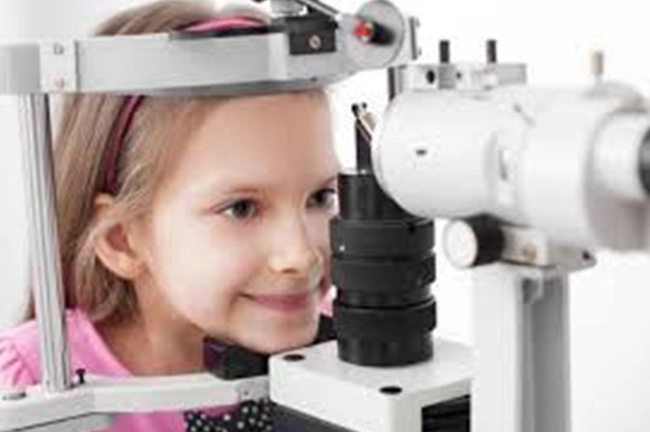
It is often thought that watching TV from near causes small children to get spectacle number. The commonest cause for spectacle number is heredity – that is if one or both parents have spectacle numbers, then the child is more likely to get spectacles. Such a child cannot see clearly without glasses and hence goes close to the TV. Children with spectacle numbers cannot easily convey that they have difficulty in seeing. Hence, one should always look out for signs such as watching TV from close, narrowing the eyes while watching distant objects, or copying from a classmate’s notebook instead of seeing the teacher’s board. If left untreated, it can lead to permanently weak eyes, called lazy eye (amblyopia). Therefore, it is important that every child’s eyes are checked before the age of 5 years. Schools also organise eye check-up camps so that children with spectacle numbers are not missed.
Lazy Eye / Amblyopia:
Lazy eye or amblyopia refers to poor vision in one or both eyes. It can result from untreated refractive errors, cataracts, squint, or other eye conditions. Regular use of glasses helps treat lazy eye caused by spectacle number. Some children may require eye patching and exercises. Early treatment is crucial to prevent permanent vision loss.
Squint:
Imbalance of the eye muscles or spectacle number can cause misalignment of the eyes, leading to squint. Often, spectacles and eye exercises may help resolve this problem if treated early. It is important to get such children examined and treated as early as possible.
Watering of Eyes in Children:
Watering or discharge from a child's eyes is often due to tear outflow blockage. Gentle massage can help treat this condition in very young children. Early consultation with an eye doctor is important for proper management.
Cataract in Children:
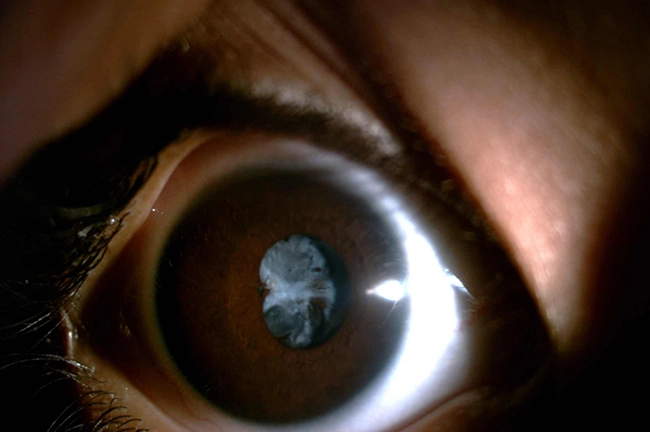
While rare, cataracts can occur in children at birth or shortly after. They can affect one or both eyes. Cataract surgery is the usual treatment, followed by wearing glasses and regular follow-up with an eye doctor.
Corneal Opacity in Children:
Corneal opacity presents as a white spot on the cornea and may be present from birth or develop later. Causes include corneal infections, nutritional deficiencies, injuries, or maternal infections. Surgical interventions like corneal transplantation or optical iridectomy may be necessary if corneal opacity leads to lazy eye.
ROP (Retinopathy of Prematurity):
Premature children (infants born before 8–9 months) or those with low birth weight may develop retinal problems in both eyes, which can lead to permanent loss of vision. Hence, such infants should be examined by a retina specialist or paediatric ophthalmologist at 4 to 6 weeks after birth. If ROP is diagnosed, the eye doctor will usually examine the infant every few days. If the disease is progressing and there is a risk of blindness, retina laser treatment, intravitreal injections, or rarely retina surgery may be advised.